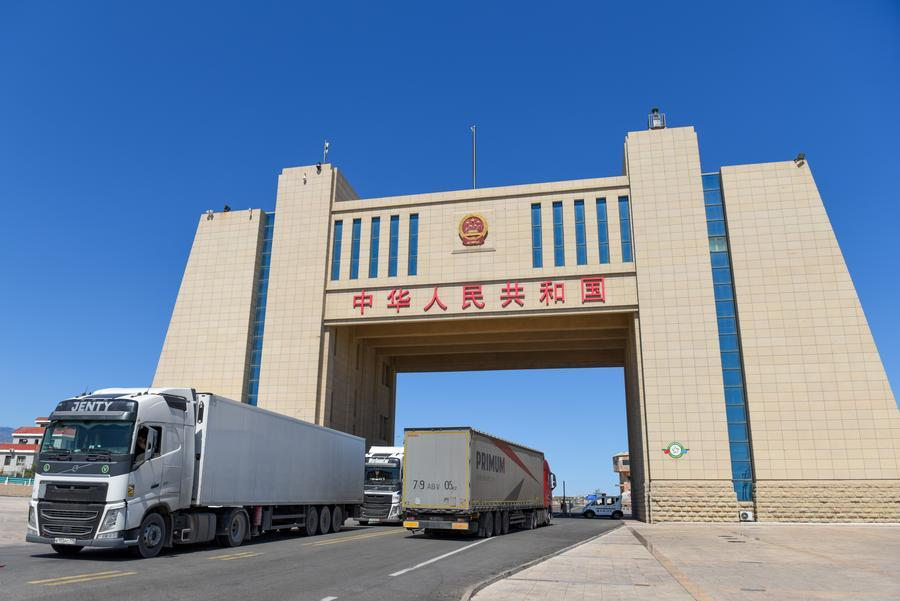
What Cannot Be Transported Across the China–Kazakhstan Border?
It may seem that if a product is legally sold in China and legally sold in Kazakhstan, transporting it across the border should simply be a matter of logistics. In reality, the list of goods that may be prohibited, restricted, seized, or require additional permits is much longer than it may appear at first glance.
Absolutely Prohibited Goods — No Exceptions
Some categories of goods cannot be imported, exported, or transported in transit without specific authorization. These include:
These restrictions are generally clear and are similar to those applied at many international borders.
Dual-Use Goods — One of the Most Sensitive Categories
A more complicated category is dual-use goods — products that have legitimate civilian applications but can also potentially be used for military purposes.
These may include certain types of electronics, drone components, optical equipment, communication devices, and computing technologies.
Such shipments may be subject to additional checks to verify their end use and final recipient. In some cases, this can significantly increase clearance and transit times.
For businesses transporting electronics or potentially dual-use components, it is important to prepare a complete set of documents in advance, including information confirming the final recipient and intended use of the goods.
Temporary Restrictions Can Also Apply
Another challenge is temporary restrictions introduced by authorities for specific goods or for a limited period.
Such restrictions may apply to the export or import of particular categories of raw materials, agricultural products, metals, or other goods.
The important point is that a product that was permitted to be shipped several months ago may be temporarily restricted today.
That is why businesses should check the current requirements before every shipment rather than rely solely on previous experience.
Goods That Are Allowed but Require Additional Documents
Some goods are not prohibited, but they cannot simply cross the border without the required documentation.
These may include:
In practice, these shipments can be delayed not because the goods themselves are illegal, but because the required certificate or permit is missing, incorrect, or was prepared too late.
What Should Businesses Do?
There are several practical steps that can help reduce the risk of delays:
1. Check the current status of the goods before every shipment.
Temporary restrictions and requirements can change, so previous successful shipments do not guarantee that the same cargo will be accepted under the same conditions.
2. Prepare additional documentation for electronics and potentially dual-use goods.
If the product could fall under dual-use regulations, it is better to have documents confirming its end use and final recipient ready before transportation begins.
3. Check the exact HS Code.
Restrictions and permits often depend on the specific customs classification of the product. A general product description found online may not be sufficient for customs clearance.
How NOMADTRANZIT Helps
At NOMADTRANZIT, we help businesses organize international cargo transportation to and from Kazakhstan, taking into account the characteristics of the goods, route, customs requirements, and documentation.
We review the shipment requirements at the planning stage so that potential restrictions, additional documents, or special conditions can be identified before the cargo reaches the border.
If you are unsure whether a particular product can be transported or what documents are required, send us the cargo description, HS Code (if available), quantity, weight, and route. Our team will help assess the transportation requirements and choose the appropriate logistics solution.
It may seem that if a product is legally sold in China and legally sold in Kazakhstan, transporting it across the border should simply be a matter of logistics. In reality, the list of goods that may be prohibited, restricted, seized, or require additional permits is much longer than it may appear at first glance.
Absolutely Prohibited Goods — No Exceptions
Some categories of goods cannot be imported, exported, or transported in transit without specific authorization. These include:
- narcotic and psychotropic substances, as well as medicines containing them without the required permits;
- weapons, ammunition, and their components without the appropriate licenses;
- materials promoting war, terrorism, racial or national superiority, as well as prohibited pornographic materials;
- contaminated soil and products subject to quarantine restrictions;
- rare species of animals and plants listed in the Red Book, as well as products made from them, including saiga horn;
- gold, precious stones, and certain rare minerals exported from Kazakhstan without the required authorization.
These restrictions are generally clear and are similar to those applied at many international borders.
Dual-Use Goods — One of the Most Sensitive Categories
A more complicated category is dual-use goods — products that have legitimate civilian applications but can also potentially be used for military purposes.
These may include certain types of electronics, drone components, optical equipment, communication devices, and computing technologies.
Such shipments may be subject to additional checks to verify their end use and final recipient. In some cases, this can significantly increase clearance and transit times.
For businesses transporting electronics or potentially dual-use components, it is important to prepare a complete set of documents in advance, including information confirming the final recipient and intended use of the goods.
Temporary Restrictions Can Also Apply
Another challenge is temporary restrictions introduced by authorities for specific goods or for a limited period.
Such restrictions may apply to the export or import of particular categories of raw materials, agricultural products, metals, or other goods.
The important point is that a product that was permitted to be shipped several months ago may be temporarily restricted today.
That is why businesses should check the current requirements before every shipment rather than rely solely on previous experience.
Goods That Are Allowed but Require Additional Documents
Some goods are not prohibited, but they cannot simply cross the border without the required documentation.
These may include:
- food and plant products — veterinary or phytosanitary certificates may be required;
- medicines and medical devices — registration and authorization documents may be required;
- cultural goods and antiques — expert assessment and export documentation may be necessary;
- certain chemicals and equipment — conformity certificates or other permits may be required.
In practice, these shipments can be delayed not because the goods themselves are illegal, but because the required certificate or permit is missing, incorrect, or was prepared too late.
What Should Businesses Do?
There are several practical steps that can help reduce the risk of delays:
1. Check the current status of the goods before every shipment.
Temporary restrictions and requirements can change, so previous successful shipments do not guarantee that the same cargo will be accepted under the same conditions.
2. Prepare additional documentation for electronics and potentially dual-use goods.
If the product could fall under dual-use regulations, it is better to have documents confirming its end use and final recipient ready before transportation begins.
3. Check the exact HS Code.
Restrictions and permits often depend on the specific customs classification of the product. A general product description found online may not be sufficient for customs clearance.
How NOMADTRANZIT Helps
At NOMADTRANZIT, we help businesses organize international cargo transportation to and from Kazakhstan, taking into account the characteristics of the goods, route, customs requirements, and documentation.
We review the shipment requirements at the planning stage so that potential restrictions, additional documents, or special conditions can be identified before the cargo reaches the border.
If you are unsure whether a particular product can be transported or what documents are required, send us the cargo description, HS Code (if available), quantity, weight, and route. Our team will help assess the transportation requirements and choose the appropriate logistics solution.